
About Itoigawa English
きれいで自然いっぱい糸魚川で教えている担任の先生、英語専科、ALTが英語・外国語の授業の情報や教材などが見つけられる糸魚川英語・外国語リソースサイトへようこそ!このウェブサイトは活動の考えることや授業計画をお願いすることなどのいろいろな不安を軽減するため作られました。糸魚川市の外国語教育の目標は、英語を用いて市内外の人々と効果的にコミュニケーションできる力を育成するとともに、周囲の世界に対する文化的・社会的理解を深め、糸魚川で育つことの意味を自覚し受け入れるアイデンティティを形成することです。授業の主な目標は、単なる暗記や厳格な言語理解ではなく、授業で学んだ英語を使って自分の意見や感情、アイデアを表現できるようにすることに焦点を当てるべきです。文法や単語は、翻訳ではなく、それらを効果的に活用する活動や演習によって学ぶべきです。こうしたポイントが実際に使用されるであろうリアルな状況を作り出すことで学ぶべきです。これらの状況を再現するために、他の学校と協力することが奨励され、推奨されます。
このサイトは一部コンテンツを制作中ですが、その他のページはご利用いただけます。完成まで今しばらくお待ちください。♡
こ
About the Characters
Welcome to Itoigawa English Resources, a place where JTEs, English specialists, and ALTs can find plenty of information regarding English and Foreign Language education in the beautiful green city of Itoigawa. This website was made to help alleviate the stress we often feel when we can't think of an activity or lesson topic.The aim for Itoigawa Foreign Langauge and English classes are to develop skills that would allow for effective communication in English with both locals and non-locals as well as develop a cultural and social understanding of the world around them while forming and accepting an identity of what it means to be from Itoigawa.The main goal of lessons should not be memorization or strict understanding of language but instead focus on being able to express one’s opinions, feelings, and ideas by using the English learned in class. Grammar and vocabulary should be learned not through translation but through activities and exercises that effectively utilize these points by creating realistic situations where they might be used. It is encouraged and recommended to cooperate with other schools to assist in the recreation of these situations.
保育園・幼稚園
保育園・幼稚園について
幼稚園と保育園の活動のねらいは外国語を学ぶことだけではなくて、海外の世界を日本の幼児にふれてもらうことです。ALTたちは読み聞かせたりゲームをしたり音楽を流したりする短い活動を準備します。活動中では幼児が外国語と異文化について勝手に質問できる環境をつくるのは大切です。難しい質問してくる可能性はあるかもしれませんが、ALTはそういう質問に答えるのも重要です。「外国人は違う姿をしていて、話し方も違うけど、思ったより共通点がある」という考え方を育むのねらいもあります。幼稚園・保育園の代表者とALTはすくなくとも一週間前に活動内容の相談をしてください。準備する教材や活動の時間の長さ、幼児の人数などを相談でALTに教えていただければ幸いです。保育園・幼稚園はモニターを設置されていないため、注目してください。特に幼児が多い学校では、幼児が見えるようにタブレットかパソコンの画面を見せるのは大変なので、アナログ教材(CD, スピーカ、カード、ポスターなど)を準備してください。
おすすめの活動テーマ
活動計画をすることには最も難しいのはテーマを選ぶでしょう。おすすめのテーマ、歌は以下にあります。画像をクリックしたら Super Simple Song'sというサイトをどうぞご覧ください。
小学校 1年生
1年生について
1年生は指示されている科目がありませんが、可能であれば外国語活動を行うのはおすすめです。1年生の授業のねらいは活動を通して簡単な単語を教えるのと異文化を子供たちに触れてもらうのです。活動は担任の先生とALTの協力で計画をするのはおすすめです。
おすすめのテーマ
活動計画をすることには最も難しいのはテーマを選ぶでしょう。おすすめのテーマ、歌は以下にあります。画像をクリックしたらYouTubeにリダイレクトされます。
小学校 2年生
2年生について
二年生も指定されている科目がありませんが、可能であれば外国語活動を行うのはおすすめです。2年生の授業で児童は1年目で学んだ単語を活かしてより難しい活動に進みます。活動は担任の先生とALTの協力で計画をするのはおすすめです。
おすすめのテーマ
活動計画をすることには最も難しいのはテーマを選ぶでしょう。おすすめのテーマ、歌は以下にあります。画像をクリックしたらYouTubeにリダイレクトされます。
小学校 3年生
3年生について
3rd Grade uses Let's Try 1. This textbook aims to help students become familiar with foreign language through games, activities, and short projects. Lessons should allow for not just practicing the language but allowing for questions regarding the language or foreign culture. In 3rd grade, students should also start to understand Japan in relation to the rest of the world.There are nine units in Let's Try 1. Units 1 - 3 focus on understanding cultural differences around the world by showing things like gestures and counting. Units 4 and 5 are meant to help students express themselves openly and freely. Units 6 - 9 start building students' foundations in the English language, whether it's the alphabet or asking questions.
ユニット紹介
Let's go beyond the textbook. When planning for your classes, try to incorporate songs and activities outside of the book.
Elementary School: 4th Grade
About 4th Grade
4th Grade uses Let's Try 2. This book has students using much more English compared to Let's Try 1. The topics and projects focus on building a student's confidence in sharing about themselves as well as asking others about themselves. Building from 3rd grade, students should being to understand the importance of English as the global lingua franca while starting to develop a unique identity with the language.Like Let's try 1, here are also nine units in Let's Try 2. Unit 1 serves as a review of 3rd Grade English. Units 2 - 5 continue to build students' confidence in sharing about themselves as well as learning about their peers. Unit 6 - 9, continues to build a stronger lexical and grammatical foundation as the students' prepare for the more complex English in 5th grade.
Unit by Unit
Let's go beyond the textbook. When planning for your classes, try to incorporate songs and activities outside of the book.
Elementary School: 5th Grade
About 5th Grade
In 5th grade, vocabulary and grammar starts to become more difficult and students also begin to have more natural conversations as well as work on more in-depth projects. It is through these projects that students should start understanding their own identity as themselves and as a citizen of their town or city. They should then use this identity to begin to craft their unique way of using the English language.5th grade uses the New Horizon Elementary English Course 5. The book is broken into 3 sections: talking about oneself with others (3 units), sharing about one's local area (3 units), and introducing Japan (2 units). Each unit is broken into four parts:
1. Starting Out: a short story portrayed by the book's characters. This is used to share the goal and contents of the unit in a fun way.
2. Your Turn: activities that are meant to allow students to practice using the grammar and vocabulary.
3. Enjoy Communication: explains the project and its steps. It has practice before the final presentation.
4. Over the Horizon: showcases foreign culture. In NEW HORIZON 5, the videos follow non-Japanese people living in Japan and how they contribute to Japanese society and culture.
At the end of each book section, there is a reflection section called Check Your Steps. This reflection serves as a way for students to think about the things they learned in the previous units and combine that knowledge into one last final mini-project.Along with the textbook, students will also use the My Picture Dictionary. This dictionary will be used for both 5th and 6th years. Along with allowing students to create their own digital flashcards through QR codes, the dictionary also has blank spaces for students to be able to create their own vocabulary words.
Unit by Unit
Let's go beyond the textbook. When planning for your classes, try to incorporate songs and activities outside of the book.
Elementary School: 6th Grade
About 6th Grade
In 6th grade, students take the identity they create in 5th grade and begin to understand their role not just in Japan or their town but in the world. The English they learn will be used to further shape their identities as well as foster an understanding and respect of other countries' cultures.6th grade uses the New Horizon Elementary English Course 6. The book is broken into 3 sections: talking about countries of the world and their way of living (3 units), taking a deeper look at the globe (3 units), and introducing one's memories and dreams (2 units). Each unit is broken into four parts:
1. Starting Out: a short story portrayed by the book's characters. This is used to share the goal and contents of the unit in a fun way
2. Your Turn: activities that are meant to allow students to practice using the grammar and vocabulary.
3. Enjoy Communication: explains the project and its steps. It has practice before the final presentation.
4. Over the Horizon: showcases foreign culture. In NEW HORIZON 6, the videos follow Japanese people living in other countries and how they contribute to global society and culture.
At the end of each book section, there is a reflection section called Check Your Steps. This reflection serves as a way for students to think about the things they learned in the previous units and combine that knowledge into one last final mini-project.Along with the textbook, students will also use the My Picture Dictionary. This dictionary will be used for both 5th and 6th years. Along with allowing students to create their own digital flashcards through QR codes, the dictionary also has blank spaces for students to be able to create their own vocabulary words.
Unit by Unit
Let's go beyond the textbook. When planning for your classes, try to incorporate songs and activities outside of the book.
Junior high School: 1st Grade
About 1st Grade
JHS 1st Grade serves to review and build on the English learned in elementary school.
Unit by Unit
Let's go beyond the textbook. When planning for your classes, try to incorporate songs and activities outside of the book.
Junior high School: 2nd Grade
About 2nd Grade
In JHS 2nd grade, students begin learning and using more complex and difficult grammar.
Unit by Unit
Let's go beyond the textbook. When planning for your classes, try to incorporate songs and activities outside of the book.

About JHS 3rd Grade

JHS 3rd grade has students learning and using practical English as they prepare to graduate and move on to the real world outside of the English classroom.
Unit by Unit
Let's go beyond the textbook. When planning for your classes, try to incorporate songs and activities outside of the book.

Phonics is the process of teaching reading and writing to students by helping them understand the relationship between the sounds of a language and how its written. Phonics needs to be taught to English learners due to the fact that a lot of the time words aren't pronounced exactly as they're read. So the questions becomes why is English spelling so hard?
English is a Germanic Language.
English is part of the Germanic language family. That means that we share a lot of vocabulary with other languages like German and Dutch.
| English | Dutch | German |
|---|---|---|
| water | water | Wasser |
| house | huis | Haus |
| Monday | maandag | Montag |
English pronunciation, however, changed a lot compared to their linguistic cousins. Take the word "knuckle" ("knokkel" in Dutch and "Knöchel" in German). While all 3 languages write the "k" at the front, English is the only one that doesn't pronounce it (only sounding out the "n"). English often changes and drops sounds all the time, unlike other languages; but changes in writing move much more slowly. So, while the word is pronounced differently, the spelling remains.
The Norman Invasion and the Introduction of French
In the 1000s, the Normans invaded Britain and introduced French into the language. However, French became the language of nobility while Anglo-Saxon (an ancestor of English), remained the language of the common people. When English became the standard language for Britain, the languages were combined.
| German | English | French | English |
|---|---|---|---|
| Kuh | cow | bœuf | beef |
| Schwein | swine | porc | pork |
| Blume | bloom | fleur | flower |
| Traum | dream | fantasmer | fantasize |
The French words that made it into English maintained their French spellings and that is true still today except in America. In the 19th century, Noah Webster, a teacher, noticed that his students were struggling to spell some of these French words because it didn't sound like how it was written. Eventually, he created a dictionary that changed these words to look more like how they're pronounced.
| Ameican English | British English |
|---|---|
| honor | honour |
| labor | labour |
| center | centre |
| theater | theatre |
| criticize | criticise |
| prioritize | prioritise |
| program | programme |
The Great Vowel Shift
From the 1300s to the 1700s, English went through a process of sound change called the Great Vowel Shift where all the vowels started to change. However, writing was already starting to be standardized and it was very difficult to change those spellings.
| Word | Middle English Pronunciation | Modern English Pronunciation |
|---|---|---|
| mice | mee-se | mais |
| house | hoos | hows |
| name | nah-meh | naym |
| doom | dohm | doom |
| light | leet | lait |
English is a Sponge
English is a language with around 40 unique sounds, making it really easy to absorb new words from other languages into its vocabulary. Even today, words from other languages are being used in modern English.
Japanese | Arabic | Indigenous Australia | Africa | Indigenous Americas |
|---|---|---|---|---|
| otaku | alcohol | kangaroo | banjo | moose |
| futon | coffee | boomerang | ebony | avocado |
| soy | mask | billabong | chimpanzee | jerky |
| emoji | spinach | koala | safari | potato |
| zen | zero | Kylie | zombie | chocolate |
English is Unstandardized
There have been many attempts to try and create a global standard for English but they've all failed. This means that every country has their own pronunciations and spellings for words. While this can be seen as a problem by some, this can be relieving to others since there technically is no "proper" English.
While phonics can help with pronunciation practice, that is not the focus of teaching phonics. Phonics is meant to help students learn to read and spell out words. Remember that while American English is taught here in Japan, there are many sounds in the language that aren't found in Japanese and that can be incredibly frustrating for students. When teaching phonics, it's crucial to not pressure students to say things "with an English accent" but instead recognize the sound and associate it with a letter or set of letters.

Alphabet vs. Syllabary
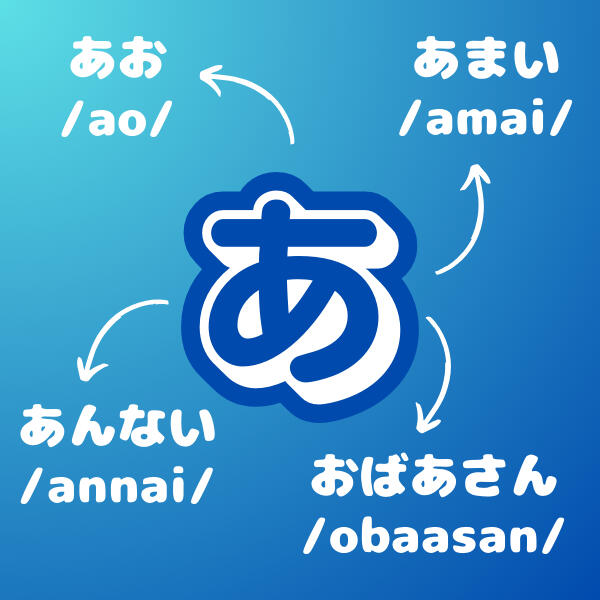
English and Japanese could not be anymore different from each other and that includes their writing systems. Japanese hiragana and katakana works on a syllabary system: the name of the character is the same as its pronunciation.
The hiragana あ will always be pronounced as /a/ regardless of its position in the word.
The letter A, however, changes its pronunciation in relation to its location in the word as well as the letters surrounding it.
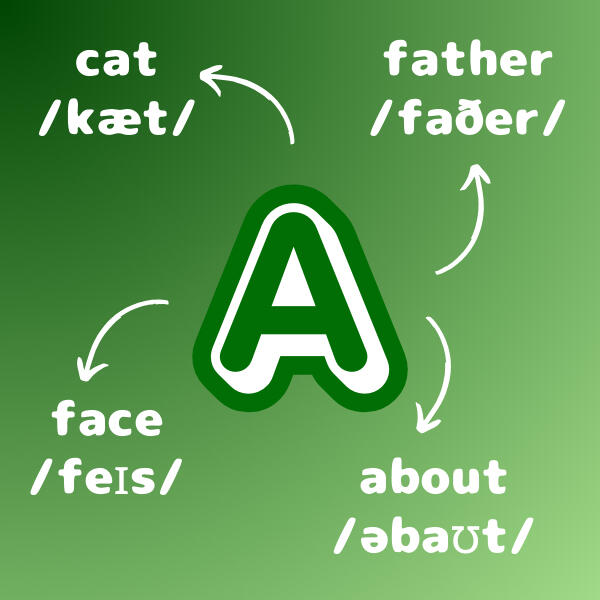
While there are only 26 letters in the alphabet, English consists of 44 unique sounds (though this differs betweens dialects), which combine in various ways to form over 15,000 possible syllables. This is one of the reasons why English is such a difficult language to study.

Jolly Phonics is a program that focuses on teaching students 42 sounds found in English. While phonics can start being taught in earlier grades, it's recommended that Jolly Phonics start in 5th grade. There should be at least one sound taught every week at the beginning or end of class. Every elementary school should have a copy of the はじめてジョリーフォニックス teacher's book.Every sound is taught in 8 steps:
1. Review: a review of all previously studied sounds
2. Story: a short story that ties the sound to the action
3. Action: an explanation of to say the sound and do the action
4. Writing Practice: students write the letters on 4 lines
5. Listening Comprehension: students listen to the words and determine whether or not the word has the sound
6. Blending: students read words using all the sounds they learned
7. Dictation: students listen to a word and try to spell it out
8. Song: students sing a song while doing the action
By using Jolly Phonics, students can start developing a confidence in reading. Teachers are free to use the CDs provided by the teacher's book or with the powerpoints and worksheets provided in the Google Drive.




Try these Fonts instead!


(PW: eigolab-fonts)
(PW: eigolab-fonts)
(PW: eigolab-fonts)